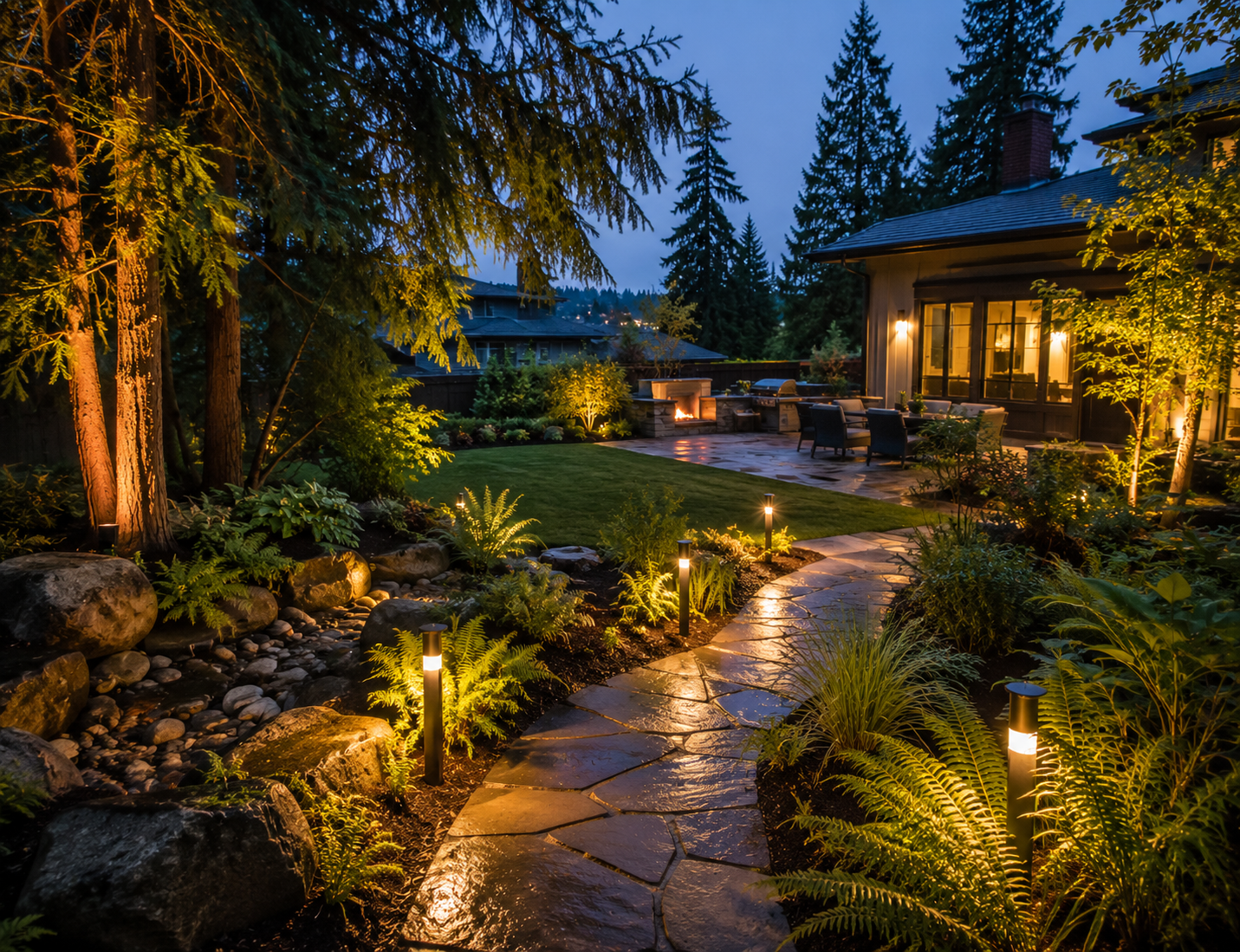
A well designed paver patio gives Seattle homeowners a comfortable place to relax, entertain guests, and enjoy their backyard throughout the year. Unlike a plain concrete slab, pavers provide greater flexibility in color, texture, shape, and layout. Individual units can also be repaired or replaced without rebuilding the entire patio.
However, Paver Patio Installation in Seattle requires more than selecting an attractive material. Pacific Northwest rainfall, compacted soil, drainage, and proper base preparation all affect how the finished patio performs. If these details are overlooked, pavers may settle, shift, or collect standing water.
Lake East Landscape provides professional Seattle landscaping services backed by more than 25 years of local experience. Each patio is planned according to the property, surrounding landscape, drainage conditions, and the way the homeowner wants to use the space.
Why Paver Patios Work Well in Seattle
Pavers are a practical option for the changing weather conditions found throughout the Seattle area. They create a durable outdoor surface while allowing more design flexibility than poured concrete.
One of their biggest advantages is repairability. If a tree root, soil movement, or underground repair affects part of the patio, individual pavers can often be removed and reset. A damaged concrete slab is usually more difficult to repair without leaving a visible patch.
The joints between pavers also provide some flexibility as the ground responds to seasonal moisture and temperature changes. This does not mean that pavers can be installed directly over soil. Their long term performance still depends on excavation, drainage, compaction, and a stable base.
When professionally installed, a paver patio can complement traditional homes, modern properties, garden focused landscapes, and relaxed Pacific Northwest backyard designs.
Start With the Purpose of the Patio
Before choosing materials, decide how the patio will be used. A small seating area needs a different layout from a large space designed for dining, cooking, and entertaining.
- How many people will normally use the patio?
- Will it hold a dining table or outdoor kitchen?
- Do you want a separate fire pit seating area?
- How will people walk between the house, patio, and lawn?
- Does the space need room for planters or built in seating?
- Will the patio receive direct sun or remain shaded?
- Where does rainwater currently travel?
These practical details help determine the appropriate patio size and shape. They also ensure furniture and walking paths do not feel crowded once the project is complete.
Lake East Landscape offers dedicated paver patio services for homeowners who want a space designed around their property and lifestyle.
Create a Patio That Fits the Backyard
A patio should feel connected to the home and surrounding landscape. The paver color can pick up tones from the siding, roofing, stonework, or other exterior materials. The shape may follow the architecture of the house or use soft curves to blend into planting areas.
Straight lines and larger pavers often suit modern homes. Traditional brick patterns and textured pavers can work well with older Seattle properties. A combination of field pavers and contrasting borders can define the edge without making the design feel too busy.
The patio should also connect naturally with walkways, steps, lawn areas, and garden beds. A complete landscape design service can coordinate these elements so the finished backyard feels intentional.
On sloped properties, the design may need steps, terracing, or retaining walls. These features should be planned together rather than added after the patio is installed.
Proper Base Preparation Matters in Seattle
The surface of a patio receives most of the attention, but the base underneath determines whether the pavers remain level. Proper preparation is especially important during Paver Patio Installation in Seattle because wet soil can lose stability when it is not adequately excavated and compacted.
Installation generally begins by removing soil and organic material from the patio area. The required excavation depth depends on soil conditions, drainage needs, paver thickness, and the intended use of the space.
A compacted aggregate base is then installed in controlled layers. Each layer must be properly compacted before the next is added. This creates a stable foundation and reduces the risk of uneven settlement.
A bedding layer provides the final level surface for the pavers. Edge restraints help prevent the outside units from spreading, while joint material locks the pattern together.
Skipping excavation or using an insufficient base may save time at the beginning, but it often leads to low spots, loose edges, and uneven pavers after repeated wet seasons.
Plan Drainage Before Installing Pavers
Seattle patios must be designed to manage water from the beginning. The surface should direct runoff away from the home and toward a suitable drainage area. Water should not collect against the foundation or flow onto a neighboring property.
A slight surface slope is usually needed even when the patio appears level. Depending on the property, the design may also include drains, gravel areas, planted drainage features, or connections to a broader yard drainage plan.
Seattle Public Utilities explains how green stormwater infrastructure can reduce runoff and help manage rain where it falls. The appropriate drainage method will depend on soil conditions, patio size, surrounding surfaces, and local requirements.
If the existing backyard already has standing water, the cause should be corrected before patio construction begins. Covering a wet area with pavers does not remove the drainage problem. Water may remain beneath the surface and weaken the patio base.
Lake East Landscape’s hardscape installation process includes grading, excavation, base preparation, and drainage planning for Seattle area properties.
Consider Permeable Pavers for Rainwater Management
Permeable pavers are designed with joints or openings that allow water to move through the paved surface into an aggregate system below. They can reduce surface runoff and may be useful for properties where stormwater management is a priority.
Seattle’s official permeable paving guidance notes that hard surfaces can slow or prevent water from entering the soil and that some paving projects may require permits. Property conditions and local rules should therefore be reviewed before installation begins.
A permeable system is more than a standard patio with wider joints. It requires suitable pavers, clean joint aggregate, an appropriate base, and careful construction. The soil beneath the patio must also be evaluated to determine how the system should manage water.
Seattle Public Utilities identifies permeable paving as an option that can slow stormwater flow. Its stormwater facility information provides additional details about how these surfaces function.
Permeable pavers can be a strong choice for Paver Patio Installation in Seattle, but they must be designed as a complete drainage system rather than selected only for appearance.
Explore Locally Available Mutual Materials Products
Mutual Materials is a familiar regional supplier with paver options suited to different architectural styles and project needs. Product availability can vary by branch, so material selection should be confirmed during project planning.
Roman Cobblestone pavers have a textured, traditional appearance that can add character to garden patios and established homes. Dominion pavers are available in several sizes and can create the look of a European courtyard. Plank pavers provide longer, cleaner lines for contemporary outdoor spaces.
For projects requiring better water infiltration, Eco Priora and Uni Eco Stone are permeable options designed to help reduce stormwater runoff. Boardwalk permeable pavers offer a more modern linear appearance with wider spacing for drainage.
The best product is not determined by appearance alone. Thickness, surface texture, patio use, drainage design, surrounding architecture, and maintenance expectations should all influence the final decision.
Add a Fire Pit Seating Area
A fire pit can turn a patio into an outdoor gathering space that remains inviting during cool Seattle evenings. It may be placed at the center of the patio or within a separate seating area connected by a paver walkway.
The layout should provide enough room for chairs, movement, and safe separation from structures or combustible materials. Wind direction, nearby trees, overhead branches, and local fire requirements should also be considered.
A circular paver pattern can create a clear focal point around a round fire pit. A square or rectangular layout may better complement a modern patio. Built in seating walls can define the area while providing additional places for guests.
Fire features should be included during the initial design stage. Adding one later may require removing pavers or changing the base. Homeowners can explore additional ideas for backyard patio design before choosing their preferred layout.
Choose Paver Colors and Patterns Carefully
Paver samples often look different outdoors than they do in a catalog. Seattle’s cloudy skies, wet surfaces, surrounding plants, and exterior lighting can all affect how a color appears.
Neutral gray and charcoal tones can suit modern homes, while warm brown and blended colors may create a softer, more traditional appearance. Lighter pavers can brighten shaded areas, but maintenance and staining should also be considered.
Popular patterns include running bond, basket weave, and herringbone. The size and shape of the patio may influence which pattern looks most balanced. Borders and accent colors can define dining areas, fire pit spaces, or the outer edge.
Homeowners looking for simple ways to improve an existing outdoor area can also review ideas to update a patio and connect it with the rest of the landscape.
Why Professional Installation Is Worth It
Paver Patio Installation in Seattle involves excavation, base construction, drainage planning, compaction, edge restraint, pattern alignment, and careful finishing. A surface that looks level on installation day may still fail later if the work underneath was incomplete.
An experienced contractor can evaluate how rainfall, soil, slopes, and existing landscape features will affect the project. Professional planning also reduces the risk of sending runoff toward the house or creating a low area elsewhere in the yard.
Lake East Landscape is licensed, bonded, and insured. Its team designs and installs patios, pathways, retaining walls, fire pits, and complete outdoor living spaces throughout the greater Seattle region.
Homeowners can view completed work through the project gallery and discuss material, layout, and drainage options during an onsite consultation.
Plan Your Seattle Paver Patio
A successful patio should look attractive, feel comfortable, and continue performing through years of Pacific Northwest rain. That requires thoughtful design, suitable materials, proper drainage, and a carefully compacted base.
Whether you want a quiet garden patio, an outdoor dining area, or a fire pit gathering space, Lake East Landscape can develop a design suited to your backyard. The team can also coordinate surrounding planting, walkways, retaining walls, and other hardscape features.
For professional Paver Patio Installation in Seattle, visit the Lake East Landscape profile or contact the team to request a free estimate.
Frequently Asked Questions
How much does Paver Patio Installation in Seattle cost?
The cost depends on patio size, paver selection, access, soil conditions, excavation, drainage needs, and added features. An onsite evaluation is the best way to receive an accurate estimate.
What is the best base for a paver patio in Seattle?
A properly compacted aggregate base is commonly used beneath paver patios. The required depth and materials depend on the soil, drainage conditions, paver type, and intended use.
Are permeable pavers good for Seattle backyards?
Permeable pavers can be a good choice because they allow water to move through the surface and can reduce runoff. They require the correct joint material, aggregate base, and drainage design.
How long does a professionally installed paver patio last?
A properly designed and installed patio can last for decades. Periodic cleaning, joint maintenance, and occasional resetting of individual pavers can help preserve its appearance and performance.
Do I need a permit for a paver patio in Seattle?
Some paving projects may require permits depending on their size, location, drainage impact, and site conditions. The Seattle Department of Construction and Inspections should be consulted before work begins.
Can a fire pit be added to a paver patio?
Yes. A fire pit can be incorporated into the patio design when suitable materials, clearances, seating space, drainage, and applicable safety requirements are considered.