Seattle homeowners are used to rain, but anyone who has tried to keep a lawn or garden healthy through a dry summer knows the weather does not do all the work. A yard can look green in May and start showing dry patches by July. That is where professional Irrigation System Installation becomes less about convenience and more about protecting the landscape.
One Seattle homeowner learned this after years of dragging hoses around the yard, moving sprinklers from one area to another, and still ending up with uneven results. Some parts of the lawn stayed soggy. Other sections dried out. The garden beds near the house needed one type of watering, while the open lawn needed another. The homeowner was spending more time watering and still felt like the yard was not getting what it needed.
The solution was not to water more. It was to water better.
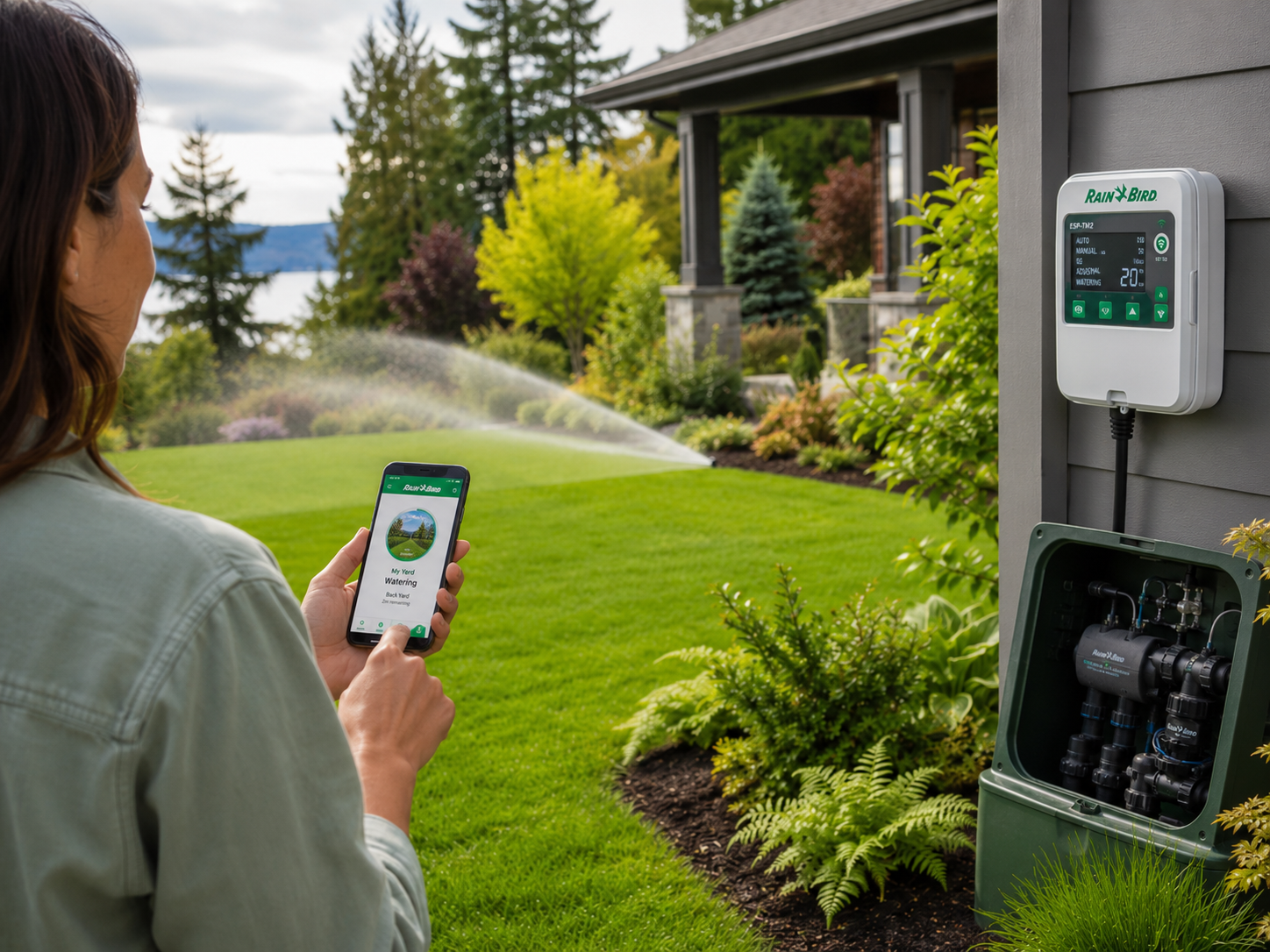
That is where a new Rain Bird irrigation system installed by the team at Lake East Landscape changed the way the property was maintained.
The Problem Was Not Just a Dry Lawn
At first, the homeowner thought the issue was simple. The lawn was drying out, so it needed more water. But after looking closer, the problem was more specific.
The yard had several different watering needs. The front lawn had full sun for much of the day. The side yard was narrow and shaded. The backyard had a mix of grass, shrubs, and planting beds. A few areas near the edges were getting missed by the old sprinkler setup, while other areas were being watered too often.
That is common on Seattle properties. Many yards are not one open rectangle of grass. They have slopes, shaded corners, planting beds, patios, fences, trees, and outdoor living areas. A basic hose and sprinkler routine does not always handle those differences well.
The homeowner was also concerned about the water bill. They were not trying to create a high maintenance landscape. They wanted the yard to look good without wasting water or spending every evening adjusting sprinklers by hand.
Why a Rain Bird System Made Sense
Rain Bird systems are commonly used for residential irrigation because they can be designed around different zones. That matters because each section of a yard may need a different watering schedule.
For this Seattle property, the goal was to stop treating the entire yard as one watering area.
The lawn needed sprinkler coverage that reached the grass evenly without spraying the driveway or sidewalk. The planting beds needed a more targeted approach so shrubs and flowers could receive water near the roots. The shaded areas needed less frequent watering than the sunny sections. The system also needed to be simple enough for the homeowner to understand and adjust.
Instead of guessing, Lake East Landscape separated the yard into zones based on sun exposure, plant type, and water demand.
One zone covered the main lawn. Another handled the side yard. A third supported the planting beds. A fourth was set up for areas that needed less frequent watering.
This gave the homeowner better control. More importantly, it reduced the amount of water going where it was not needed.
Sprinkler System Installation Is About Coverage
A good sprinkler system installation is not just about putting sprinkler heads in the ground. The real value comes from the layout.
Each head has to be placed with intention. The installer has to think about spray pattern, water pressure, lawn shape, head spacing, and nearby surfaces. If the spacing is off, the lawn can end up with dry strips. If the spray pattern is wrong, water can hit fences, siding, patios, or sidewalks.
That was one of the biggest improvements on this Seattle project. The old watering routine created uneven results because the water was not reaching the lawn in a consistent way. Once the system was laid out properly, the coverage became more balanced.
The homeowner no longer had to move sprinklers around or guess whether each section had enough water. The system was designed to do the job consistently.
That does not mean every zone received the same amount of water. It means each area received water based on its actual needs.
The Water Bill Started to Reflect the Difference
The most noticeable change was not just the lawn. It was the efficiency.
After the Rain Bird system was installed and adjusted, the homeowner saw meaningful savings on their water bill compared to their old watering habits. According to the EPA WaterSense program, a properly designed irrigation system can reduce outdoor water use by as much as 50 percent compared to hand watering and manual sprinkler setups. The savings on this property came from better control, better timing, and less waste.
Before the system, water was often running too long in some areas because the homeowner was trying to reach the dry spots. That meant the already wet areas received even more water. Some water also landed on hard surfaces where it did not help the landscape at all.
With the new system, the watering schedule became more precise. The lawn zones could run when needed. The planting beds could receive a different amount. Areas with shade did not need to be treated the same as areas with direct sun.
This is the part many homeowners miss. Saving water does not always come from watering less across the entire property. It often comes from watering the right areas for the right amount of time.
You can learn more about water efficient irrigation practices through the EPA WaterSense program.
Seattle Irrigation Systems Need Seasonal Adjustments
Seattle has a unique irrigation challenge. The city gets plenty of rain during the year, but summers can still create dry stress for lawns and plants. That means an irrigation system should not run the same way in April as it does in August.
A smart irrigation setup gives homeowners more control over those seasonal changes.
In spring, the system may barely need to run. In early summer, it may support new growth and prevent dry patches. During hotter stretches in July and August, it may need more consistent scheduling. In fall, the schedule can be reduced again.
That flexibility is one of the reasons a professionally installed system outperforms a manual watering routine. The homeowner is no longer reacting only when the lawn looks stressed. The system can support the landscape before damage becomes obvious.
Drip Irrigation Helped the Planting Beds
The lawn was only part of the project. The planting beds also needed attention.
Spray heads are not always the best choice for shrubs, flowers, and garden areas. They can water too broadly, hit leaves, and waste water between plants. For many beds, drip irrigation is a better fit because it delivers water closer to the root zone.
On this Seattle property, drip irrigation helped keep the planting beds healthier without soaking nearby surfaces. It also reduced the amount of overspray around the house and hardscape areas.
That made the overall system more efficient. The lawn received sprinkler coverage. The beds received targeted watering. The shaded areas received less. Each part of the yard had its own role in the system.
The Homeowner Got Time Back Too
The lower water bill was important, but the homeowner also noticed something else. The yard became easier to manage.
Before the irrigation installation, watering was a chore. It required dragging hoses, setting timers, checking dry areas, and moving sprinklers around. If the homeowner forgot or got busy, parts of the landscape could go several days without enough water.
After Lake East Landscape installed the system, that process became simpler. The homeowner still had full control, but they did not have to manage every watering session by hand.
For busy Seattle homeowners, that convenience matters. Landscapes need consistent care, but most people do not want yard watering to become another daily task.
A Better Way to Protect a Landscape Investment
Landscaping is not cheap. Sod, plants, soil work, garden beds, hardscape edges, and outdoor living areas all take time and money to install. Without a reliable watering plan, that investment is harder to protect.
This is especially true for newer landscapes. Fresh sod and new plantings need steady watering while they establish. If watering is inconsistent, some areas can struggle before they have a chance to root properly.
A well designed irrigation system helps support the landscape through that early stage and makes long term maintenance easier.
For the Seattle homeowner who chose the Rain Bird system through Lake East Landscape, the project solved more than one problem. It improved coverage. It reduced wasted water. It helped lower the water bill. It made the yard easier to maintain. It also gave the homeowner more confidence heading into the dry season.
Final Thoughts
Irrigation installation in Seattle is not about pretending the region is dry year round. It is about recognizing how local landscapes actually behave through the seasons.
Rain helps for much of the year, but it does not always keep lawns, garden beds, and new plantings healthy through summer. A good sprinkler system installation gives homeowners better control during the months when the landscape needs support most.
The best systems are not built around guesswork. They are designed around the property. Sun exposure, shade, slopes, lawn shape, planting beds, water pressure, and homeowner habits all matter.
If you are ready to stop fighting with hoses and start watering smarter, Lake East Landscape serves homeowners across the greater Seattle area. Contact us today or lean more about our local partners to schedule a free irrigation consultation.