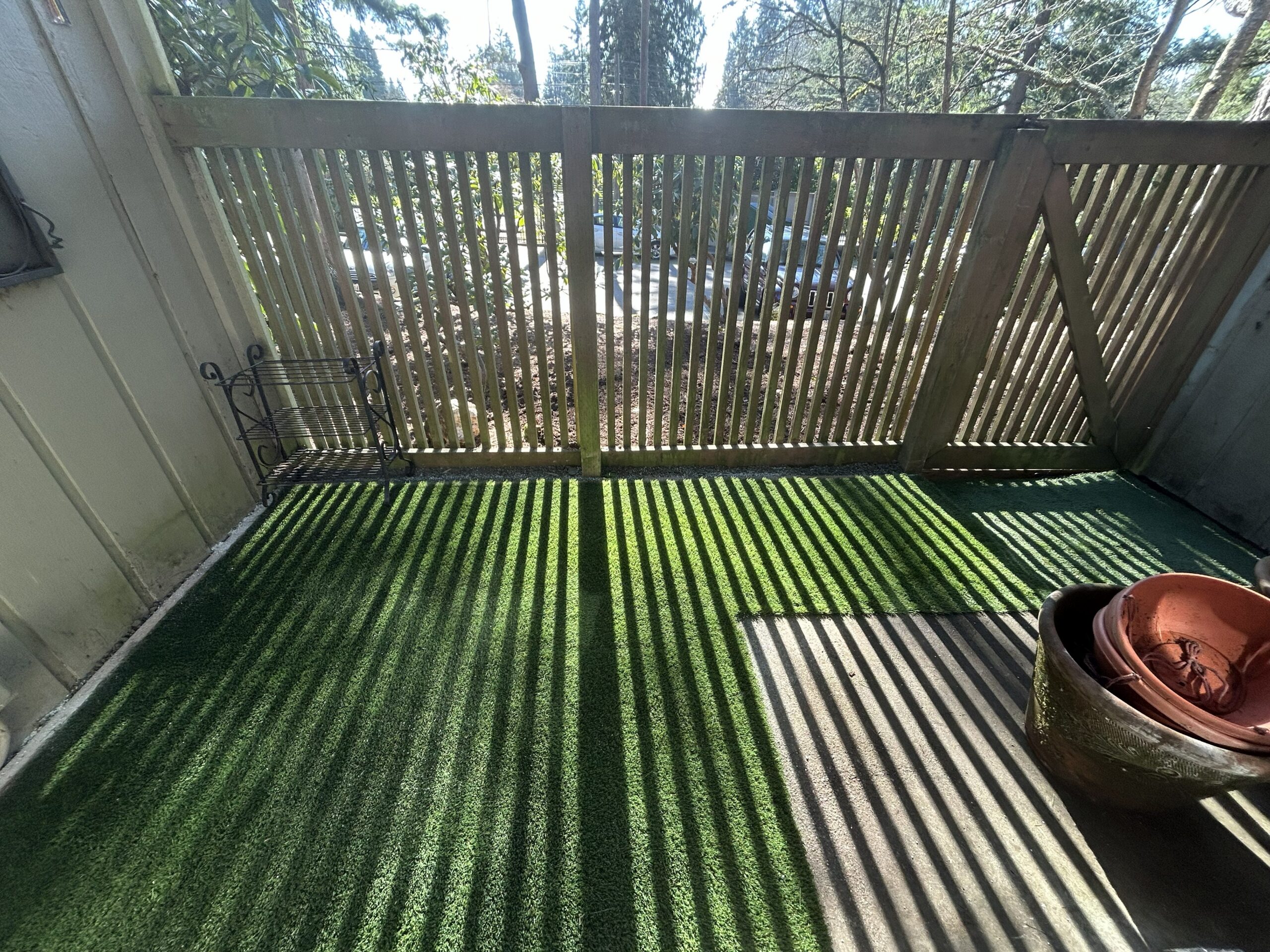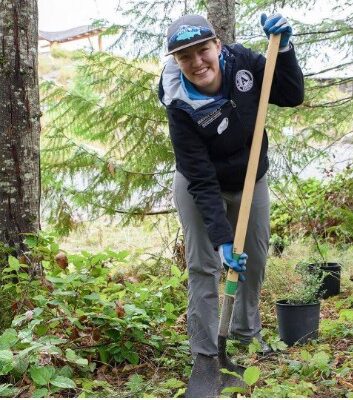
Seattle’s climate is beautiful, but it is not always easy on your yard. Between the long rainy winters, the occasional summer dry spells, and the clay heavy soil that shows up in many neighborhoods, keeping a backyard looking great year-round can feel like a second job.
The truth is, it does not have to be. With the right plant choices, smart layout decisions, and a plan built around Seattle’s actual weather patterns, low maintenance landscaping Seattle homeowners can rely on is completely within reach. You do not need to spend every weekend outside to have a yard you are proud of.
This guide covers everything from plant selection to hardscape choices so you can build a backyard that practically takes care of itself.
Why Low Maintenance Landscaping in Seattle Requires a Local Approach
Generic landscaping advice rarely accounts for the Pacific Northwest. Seattle receives around 37 inches of rain annually, most of it falling between October and April. Summers are relatively dry and warm. The soil in many areas leans clay heavy, which means poor drainage if not managed properly.
Plants and designs that work in California or the Midwest often struggle here. Choosing materials, plants, and layouts that suit Seattle’s actual conditions is the single most important factor in building a yard that stays healthy with minimal effort from you.
When your landscape is built for the environment, it lives in, maintenance drops dramatically.
Choosing the Right Plants for a Low-Effort Seattle Yard
Plant selection is where most low maintenance landscaping Seattle projects either succeed or fall apart. The wrong plants fight the climate constantly, needing extra watering, feeding, and replacing. The right ones settle in and largely look after themselves.
Native Plants Thrive with Almost No Help
Pacific Northwest native plants are already adapted to Seattle’s wet winters and dry summers. Once established, they rarely need supplemental watering or fertilizing. Some of the best options for Seattle backyards include:
- Oregon Grape — evergreen, low water needs, attracts pollinators
- Sword Fern — thrives in shade and clay soil, virtually maintenance free
- Red Flowering Currant — stunning spring blooms, handles wet and dry seasons
- Salal — excellent ground cover, suppresses weeds naturally
- Western Red Cedar — ideal for privacy screening with very little upkeep
These plants form the backbone of a yard that looks intentional and stays healthy without constant attention.
Replace Lawn Areas Strategically
Traditional grass lawns are one of the highest maintenances features a yard can have. Mowing, edging, fertilizing, aerating, and overseeding adds up fast. Many Seattle homeowners are replacing portions of their lawn with:
- Fine fescue grass blends that need far less water and fewer mowing
- Creeping thyme or clover as a ground cover that stays low and green
- Gravel or decomposed granite in low traffic areas
- Defined planting beds filled with native or adapted species
Even replacing 30 to 40 percent of your lawn can cut weekly yard work significantly.
Use Hardscaping to Define Spaces and Cut Down on Upkeep
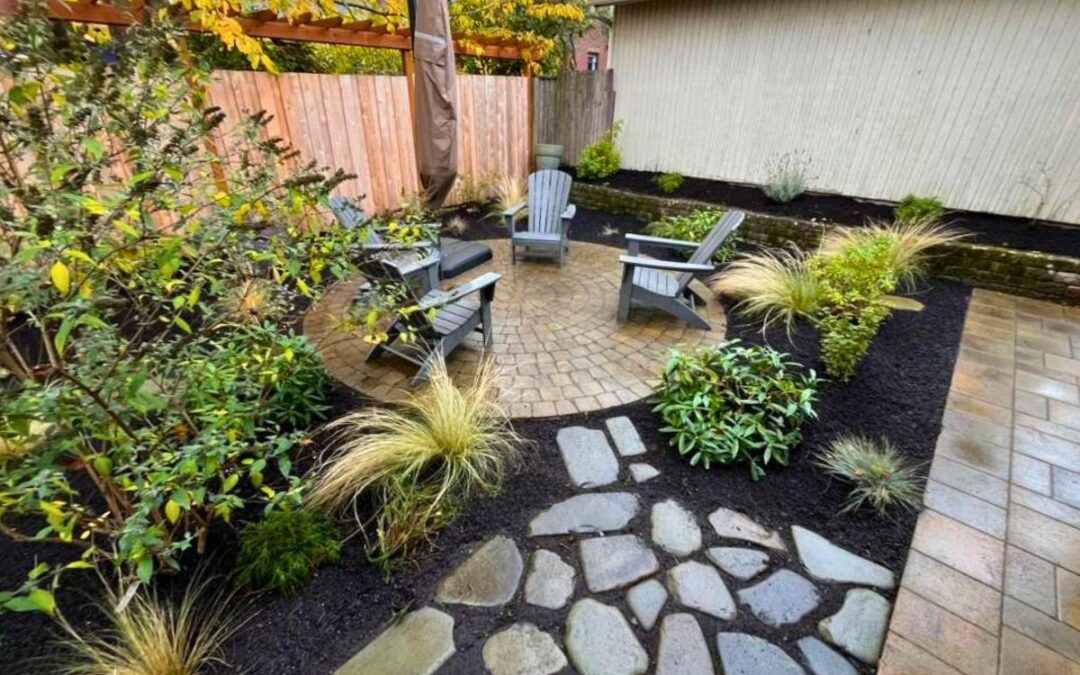
Hardscaping refers to the non-living elements of your yard: patios, pathways, edging, retaining walls, and gravel areas. Getting hardscape right is one of the most impactful things you can do for a low maintenance yard. Investing in professional hardscape installation can create functional outdoor spaces while reducing the amount of lawn and planting areas that require ongoing upkeep.
In Seattle, permeable materials handle rain much better than solid surfaces. Pavers with open joints, gravel pathways, and decomposed granite all allow water to drain through rather than puddle, which reduces erosion and keeps your yard looking neat through the wet season.
A well-built backyard patio also creates a defined outdoor living zone that naturally limits the area where grass and weeds can spread. Less lawn always means less ongoing work.
Mulch: The Simplest Way to Slash Yard Maintenance
If there is one habit that makes the biggest difference in low maintenance landscaping Seattle yards, it is consistent mulching. A 2 to 3 inch layer of bark or wood chip mulch across your planting beds does three things at once:
- Retains soil moisture during Seattle’s dry summer months
- Suppresses weed growth so you spend far less time pulling
- Breaks down slowly over time, improving soil health naturally
Apply fresh mulch each spring and you will notice a significant reduction in both watering time and weeding. Many homeowners report cutting their regular yard maintenance nearly in half through mulching alone.
Seattle residents can also access free wood chip mulch through local programs. Seattle Public Utilities provides guidance on sourcing mulch and building healthy soil through their Growing Healthy Soil resource, which covers mulch types, application tips, and composting options for homeowners across the city.
Smart Irrigation Keeps Plants Healthy Without the Daily Effort
Drip Irrigation Works Better Than Overhead Sprinklers Here
Overhead sprinklers tend to cause fungal problems in Seattle’s cooler, damp climate. Moisture sitting on foliage for extended periods encourages disease. Drip irrigation delivers water directly to the root zone, keeping leaves dry and plants healthier.
A basic drip system on a timer is a one-time setup that pays off for years. Your plants get consistent moisture without you needing to monitor them, and your water bill stays lower because nothing is being wasted to evaporation or runoff.
Add a Smart Controller for Hands-Off Watering
Smart irrigation controllers pull local weather data and automatically skip watering cycles when rain is coming or when the soil is already moist. In Seattle, where rain patterns shift week to week, this feature prevents overwatering in spring while keeping things alive during dry stretches in July and August.
Why Professional Landscape Design Pays Off Long Term
Most of the work that goes into low maintenance landscaping Seattle homeowners can actually enjoy comes down to getting the plan right from the beginning. Plant placement, drainage, irrigation zones, hardscape layout, and mulch strategy all need to work together.
When one element is off, it creates ongoing problems that add time back to your maintenance routine. A professionally designed landscape avoids those mistakes upfront, and the result is a yard that performs consistently with minimal input from you.
Lake East specializes in landscape design and installation across the greater Seattle area. Every project is built around Pacific Northwest conditions, local soil types, and the actual goals of the homeowner. Whether you are starting from scratch or want to renovate an existing yard into something far easier to manage, the team at Lake East can help you get there.
You can also explore service areas to see if Lake East covers your neighborhood.
Frequently Asked Questions
What is the best low maintenance ground cover for Seattle?
Creeping thyme, salal, and native sword ferns are all excellent options. They handle Seattle’s wet winters and dry summers without extra watering, and they naturally suppress weeds once established.
How do I reduce how often I need to mow my lawn in Seattle?
Switch to a fine fescue grass blend, which grows more slowly and needs less water than standard lawn grass. You can also reduce the total lawn area by adding planting beds, patios, or ground cover sections that need no mowing at all.
Is drip irrigation worth installing in a Seattle backyard?
Yes. Drip irrigation delivers water to the root zone rather than over the leaves, which reduces fungal problems common in cooler wet climates. Paired with a smart controller, it practically eliminates the need to think about watering.
How deep should mulch be in Seattle Garden beds?
A 2 to 3 inch layer is ideal. This depth retains moisture, suppresses weeds effectively, and does not smother plant roots. Refresh it each spring for consistent results throughout the year.
Do I need a professional landscaper for a low maintenance yard?
Not always, but professional design makes a real difference when it comes to getting the plant selection, drainage, and layout right from the start. Mistakes in planning often mean more maintenance over time, not less.
Which native plants work best in Seattle’s shady backyards?
Sword ferns, salal, and Oregon grape all perform well in shaded areas. They are adapted to the filtered light conditions common under Seattle’s tree canopy and need very little attention once planted.
Can I get free mulch in the Seattle area?
Yes. The Washington State Department of Ecology and various local composting programs offer wood chip mulch at low or no cost to residents. It is a practical and sustainable way to keep your planting beds healthy without extra expense.